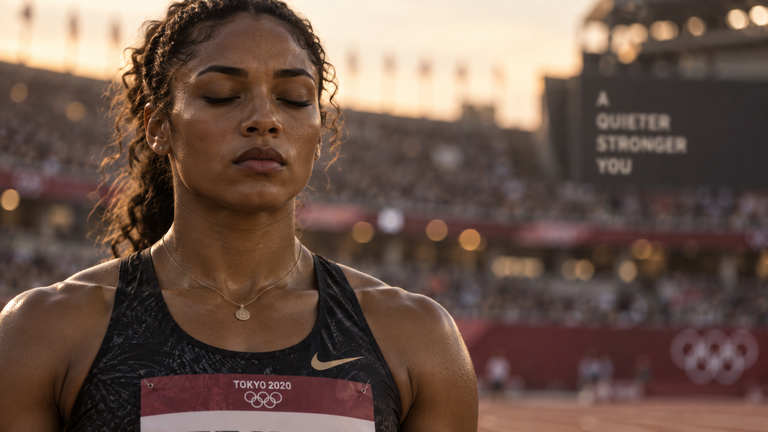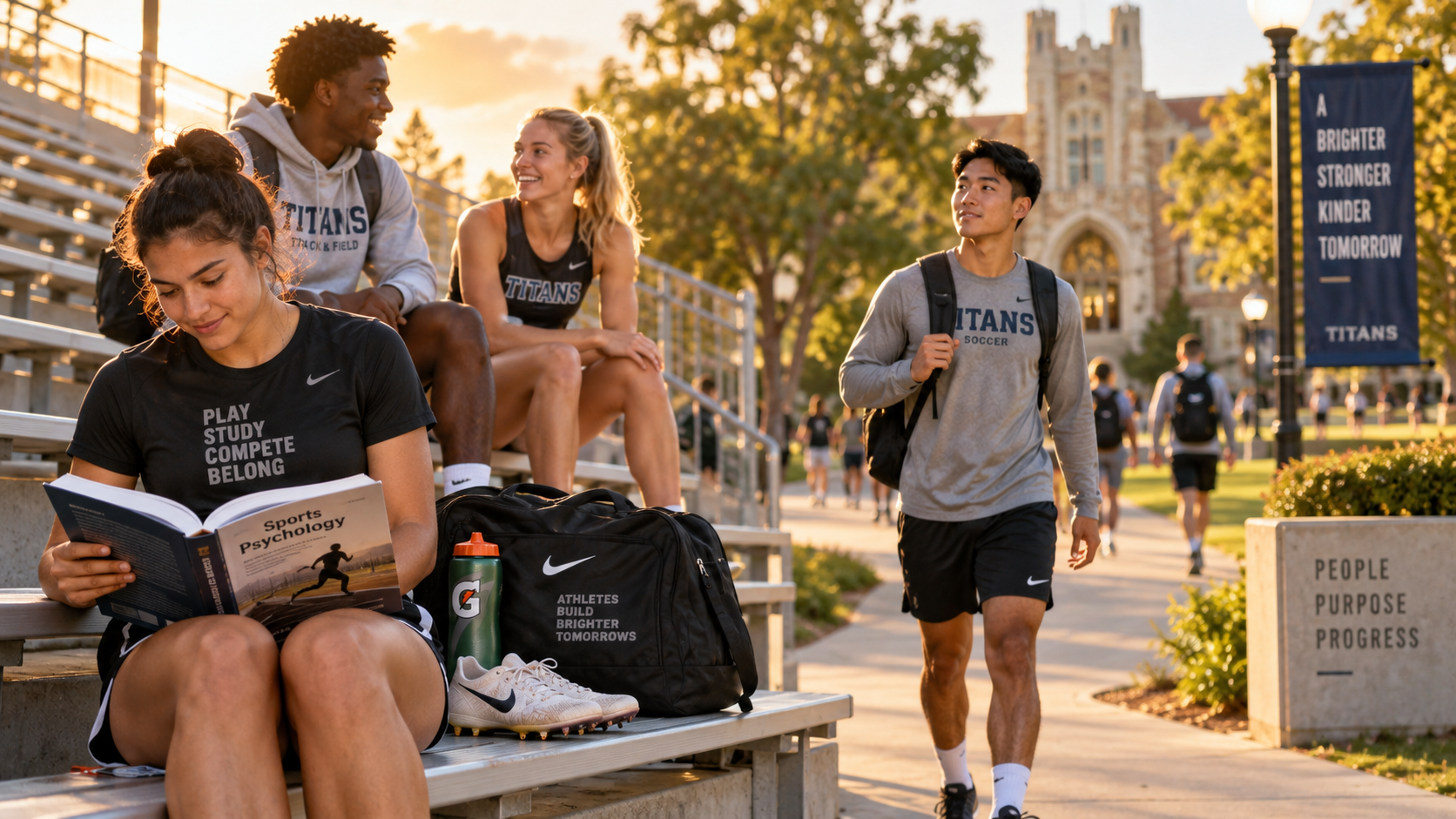
Balancing athletic goals and education requires intentional planning and a growth mindset. When you’re passionate about sports while pursuing academic excellence, the juggling act can feel overwhelming at times. Many student-athletes experience periods where they feel forced to choose between their athletic dreams and academic aspirations.
However, with the right strategies, you can excel in both arenas without sacrificing either. This balance isn’t about perfection but rather sustainable progress in both domains. The most successful student-athletes understand that both pursuits can complement each other, creating a synergy that enhances overall performance and personal development. By approaching this challenge with determination and flexibility, you can build a foundation for lifelong success that extends far beyond graduation or your final competitive season.
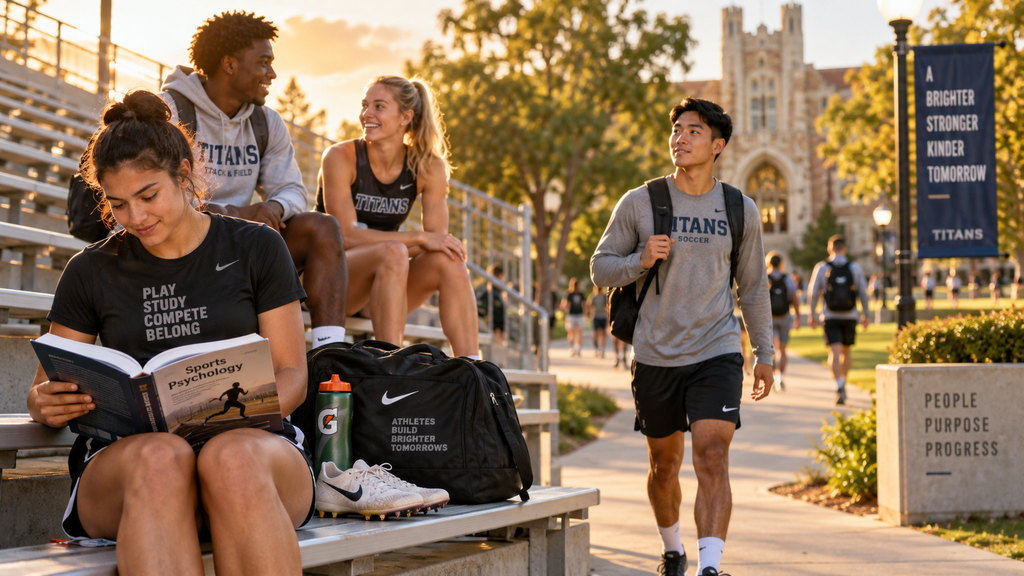
Time Management: Your Most Valuable Player
Effective time management forms the foundation of success for student-athletes. Create a detailed weekly schedule that blocks time for practices, competitions, study sessions, and rest. Use digital tools or a physical planner to track assignments and training sessions.
Start by identifying your non-negotiable commitments—scheduled practices, classes, and competitions—and build around these fixed points. Analyze your energy patterns throughout the day and schedule your most demanding academic work when your mind is freshest. For morning people, this might mean early study sessions before practice; night owls might perform better with evening academic blocks.
Break larger academic projects and athletic goals into smaller, manageable tasks with specific deadlines. This prevents the overwhelming feeling that can lead to procrastination. Take advantage of small pockets of time between activities—even 15-20 minutes can be productive for reviewing notes, completing quick assignments, or watching instructional/motivational videos related to your sport.
Use technology wisely by setting up automated reminders for assignments and utilizing apps designed for student-athletes that help coordinate academic and training schedules. Consider time management techniques like the “2-minute rule” (immediately completing tasks that take less than two minutes) to prevent small responsibilities from accumulating.
Communication Is Key
Open dialogue with coaches and teachers about your dual commitments creates a support network. Don’t wait until you’re struggling to reach out. When conflicts arise between athletic events and academic deadlines, proactive communication can often lead to workable solutions. Many educators appreciate student-athletes who demonstrate responsibility by addressing potential conflicts early.
Schedule regular check-ins with academic advisors who specialize in working with athletes to ensure you’re on track with degree requirements and eligibility standards. When traveling for competitions, discuss expectations with professors beforehand, requesting alternative assignment deadlines or exam arrangements if necessary. Most institutions have protocols in place for student-athletes, but these accommodations typically require advance notice.
Similarly, keep coaches informed about academic pressures during heavy examination periods. Most coaches value academic achievement and will work with you to modify training when necessary, especially if you’ve demonstrated consistent commitment to the team. When communicating with authority figures, come prepared with specific requests rather than vague concerns—instead of saying “I’m overwhelmed,” try “I have three exams next Wednesday; could I modify Monday’s training session to accommodate extra study time?”
Develop the skill of assertive communication—expressing your needs clearly while remaining respectful of others’ perspectives. This balanced approach helps maintain positive relationships with both academic and athletic mentors. Remember that effective communication also involves active listening and following through on commitments you make to both coaches and professors.
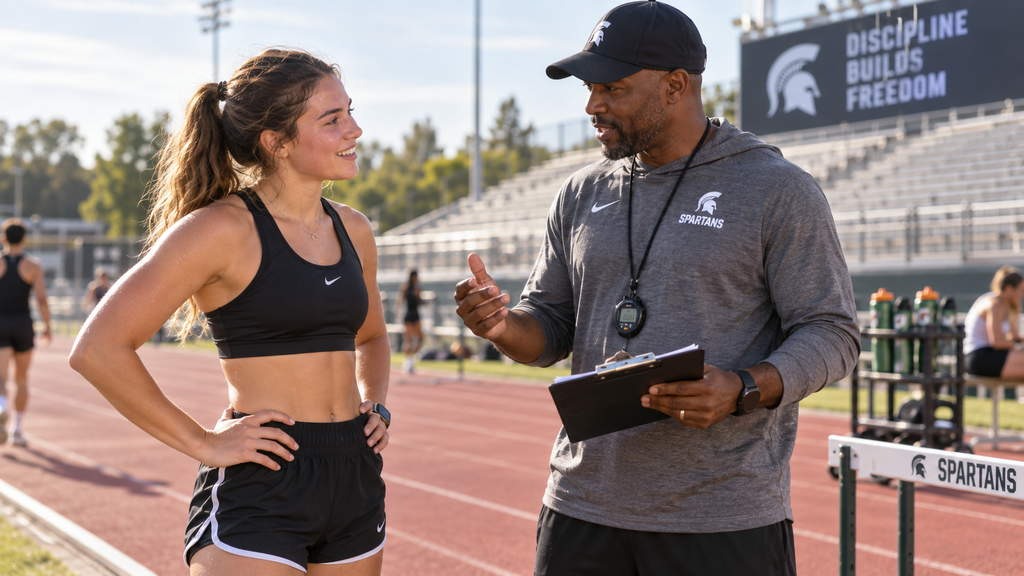
Quality Over Quantity
Focus on maximizing productivity during study sessions rather than simply logging hours. The Pomodoro Technique—studying in focused 25-minute intervals with short breaks—can help maintain concentration. Similarly, during training, emphasize technique and deliberate practice rather than mindlessly extending workouts when fatigue sets in.
Identify your learning style and adapt your study methods accordingly. Visual learners might benefit from concept maps and diagrams, while auditory learners might record and replay lecture notes. Kinesthetic learners often retain information better when incorporating movement, perhaps reviewing notes while on a recovery walk or using standing desks.
Apply the principle of deliberate practice to both academics and athletics. This means setting specific improvement goals for each session rather than practicing or studying without direction. For example, instead of “studying biology for two hours,” aim to “master the concept of cellular respiration and complete practice problems with 80% accuracy.” In your sport, rather than “shooting baskets for an hour,” focus on “improving free-throw accuracy by 10% through technique refinement.”
Eliminate distractions during focused work periods by using website blockers, silencing notifications, or utilizing dedicated study environments. The quality of your attention determines the efficiency of your learning and training. Consider working with academic tutors who can help you identify the most high-yield study strategies for specific subjects, allowing you to work smarter rather than harder.
Build Your Team Off the Field
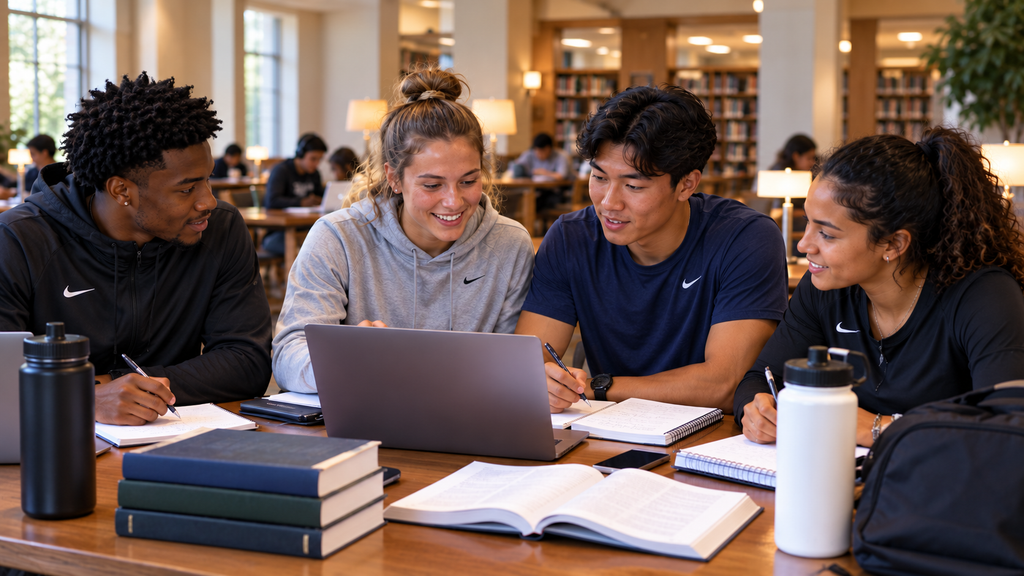
Surround yourself with supportive peers who understand your commitments. Form study groups with fellow student-athletes who share similar schedules and challenges. Consider working with tutors or academic advisors who specialize in helping athletes navigate their unique situations. Remember that seeking help demonstrates strength, not weakness.
Identify mentors who have successfully navigated the student-athlete path in your sport or academic field. Their guidance can provide valuable perspective and practical strategies. Many former student-athletes are eager to help the next generation succeed in both arenas. These mentors can offer advice on specific challenges like managing seasonal competition stress during finals or planning course loads around peak training periods.
Consider the role of family members in your support network, establishing clear communication about expectations and needs. While family support is invaluable, clearly communicate when academic and athletic pressures require focused attention. Some student-athletes benefit from establishing “pressure-free zones” with family—times when neither athletic performance nor academic progress is discussed.
Utilize institutional resources specifically designed for student-athletes, such as dedicated academic centers, specialized counseling services, and career development programs. These resources are tailored to address the unique challenges you face and can provide targeted support during particularly demanding periods.
Prioritize Sleep and Recovery
Both cognitive function and athletic performance suffer significantly without adequate rest. While it might be tempting to sacrifice sleep to fit everything in, this approach ultimately undermines both academic and athletic goals. Treat quality sleep as non-negotiable, aiming for 7-9 hours nightly to support learning, memory consolidation, and physical recovery.
Develop a consistent sleep schedule that aligns with your natural rhythms as much as possible, even on weekends. Research shows that irregular sleep patterns negatively impact academic performance and athletic recovery. Create a relaxing pre-sleep routine that signals to your body it’s time to wind down—perhaps including gentle stretching, reading, or meditation. By prioritizing sleep, you’re not taking time away from productivity—you’re enhancing it.
Embrace the Transferable Skills
The discipline, resilience, and focus developed through sports directly enhance academic performance. Similarly, critical thinking and problem-solving skills honed in the classroom can improve athletic decision-making. Recognize and appreciate how each domain strengthens the other rather than viewing them as competing interests.
The goal-setting frameworks used in athletics—establishing process goals, performance goals, and outcome goals—transfer effectively to academic pursuits. Apply this structured approach to challenging courses by breaking down subject mastery into specific, measurable objectives. The feedback loops common in athletic training (performance-evaluation-adjustment) mirror effective study techniques like practice testing and concept application.
Mental skills developed for athletic performance—visualization, positive self-talk, and pressure management—significantly impact academic success. Before exams, use the same pre-performance routines that center you before competitions. Visualization techniques can help you mentally rehearse working through challenging academic problems just as they help you execute complex physical movements.
The time management discipline required by student-athletes develops executive functioning skills highly valued in professional settings. Research consistently shows that former student-athletes often outperform peers in workplace settings, particularly in roles requiring teamwork, leadership, and performance under pressure. Understanding this long-term value can provide motivation during particularly challenging periods.

Long-Term Vision and Perspective
Maintain clarity about how your academic and athletic pursuits align with your long-term goals. For some student-athletes, sport represents a potential career path, with education providing security and future options. For others, academics lead directly to professional ambitions, with athletics providing valuable complementary skills and experiences. Regardless of your specific path, regular reflection on how both domains contribute to your overall development helps maintain motivation during challenging periods.
Consider creating a personal mission statement that encompasses both athletic and academic aspirations. This concise articulation of your values and goals can serve as a decision-making framework when conflicts arise. When faced with difficult choices about time allocation, refer back to this statement to ensure your daily decisions align with your broader vision.
Remember that your identity encompasses more than either student or athlete labels. Cultivate interests and relationships outside both domains that contribute to your overall wellbeing and personal development. This broader self-concept provides resilience when facing setbacks in either athletics or academics, as your sense of self-worth isn’t exclusively tied to performance in these areas.
Sustainable Success Strategies
Approach the balancing act as a marathon rather than a sprint, implementing systems that can be maintained throughout your academic and athletic career. Avoid the common trap of extreme approaches—periods of intense focus on academics followed by exclusive athletic emphasis. This oscillation typically undermines progress in both areas. Instead, develop consistent, integrated routines that support simultaneous advancement.
Practice regular self-assessment using both objective measures (grades, athletic statistics, time allocation) and subjective indicators (stress levels, enjoyment, sense of purpose). This honest evaluation helps identify when adjustments are needed before small imbalances become significant problems. Consider scheduling monthly reviews to assess alignment between your actions and priorities.
Develop stress management techniques tailored to your specific needs and preferences. These might include mindfulness practices, time in nature, creative outlets, or social connections. Proactively incorporating these activities into your schedule prevents burnout and maintains perspective during high-pressure periods like finals or championship competitions.
By implementing these strategies consistently, you can create a fulfilling student-athlete experience that prepares you for success beyond both the classroom and the playing field. The skills developed through this balancing act—discipline, time management, resilience, communication, and strategic thinking—will serve you well throughout life, regardless of your ultimate career path. Remember that the journey itself, with all its challenges and victories, shapes you as much as any destination you might reach in either athletics or academics.
More information for athletes: