

Athletes at every level know that the path to success is rarely a straight line. Behind every championship, record, or personal best lies a story of challenges, disappointments, and moments that tested not just physical ability, but mental fortitude. Let’s explore how athletes can effectively overcome setbacks and emerge stronger on the other side.
The Inevitable Nature of Setbacks

In sports, as in life, setbacks are not just possible—they’re inevitable. Injuries sideline even the most careful athletes. Losses come to the most talented teams. Performance plateaus frustrate the most dedicated competitors. Understanding that setbacks are a natural part of the athletic journey is the first step toward handling them effectively. The most successful athletes don’t define themselves by whether they face adversity, but by how they respond when it arrives.
The Power of Process over Outcomes
Athletes who bounce back effectively often share a common trait: they focus more on the process than outcomes. While goals provide direction, an obsession with results can make setbacks feel devastating. By contrast, process-oriented athletes evaluate themselves on factors within their control—effort, preparation, technique, and attitude. This approach provides stability when results temporarily falter, allowing athletes to maintain confidence through challenging periods.
Building a Support Network to Overcome Setbacks

No athlete overcomes significant setbacks alone. The strongest competitors surround themselves with coaches, teammates, family members, and sometimes mental health professionals who provide both emotional support and objective perspective. These individuals can offer encouragement during difficult moments and help athletes avoid the isolation that often accompanies setbacks. They serve as mirrors reflecting an athlete’s strengths when self-doubt clouds self-perception.
Leveraging Rest and Recovery
Sometimes the most productive response to a setback is seemingly counterintuitive: strategic rest. Physical and mental recovery periods aren’t signs of weakness but essential components of athletic development. For injured athletes, proper rehabilitation prevents minor setbacks from becoming career-threatening conditions. Even for those facing non-physical challenges, mental breaks can provide the perspective needed to return with renewed focus and creativity.
Finding Inspiration in Others’ Journeys
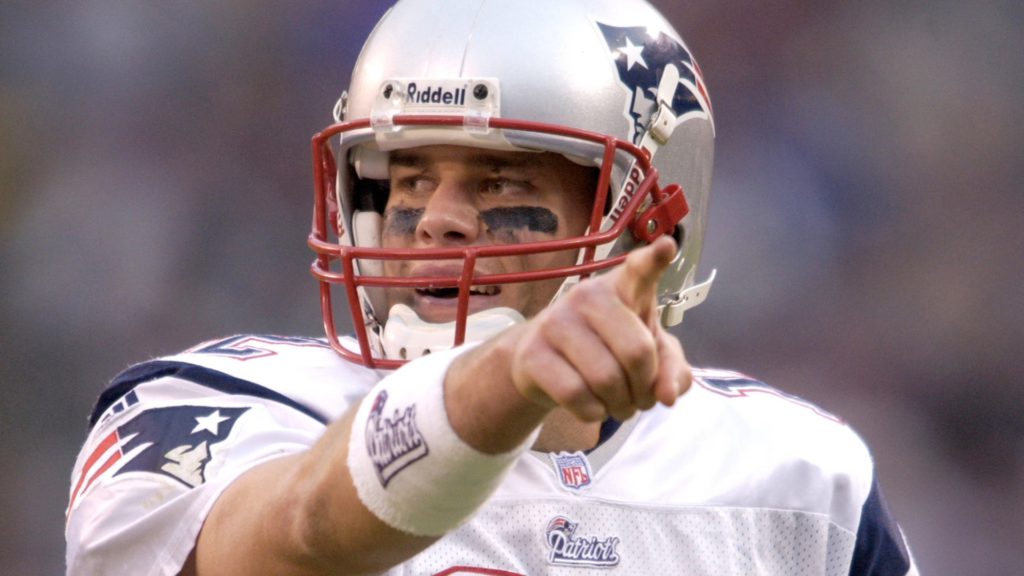
Every sport has its comeback stories—athletes who faced devastating setbacks only to return stronger than before. Michael Jordan being cut from his high school team. Tom Brady being selected 199th in the NFL draft. Serena Williams battling life-threatening health issues before returning to dominance. These narratives aren’t just inspiring; they provide practical blueprints for resilience. Studying how others navigated similar challenges offers both hope and strategy.
Practicing Deliberate Optimism
Optimism in athletes isn’t about denying reality—it’s about acknowledging challenges while maintaining belief in one’s ability to overcome them. This deliberate optimism becomes a self-fulfilling prophecy, creating the mental state necessary for persistent effort in the face of obstacles. Athletes can cultivate this mindset through techniques like visualization, positive self-talk, and gratitude practices that maintain perspective during difficult periods.
Overcome Setbacks And Turm Them Into Comebacks
The difference between a setback and a comeback often comes down to perspective and response. By approaching challenges with resilience, learning, and strategic adaptation, athletes transform moments of disappointment into foundations for future achievement. In this way, the most significant victories in sports often belong not to those who avoided adversity, but to those who embraced it as an essential part of their athletic journey.
More Tips for athletes:


