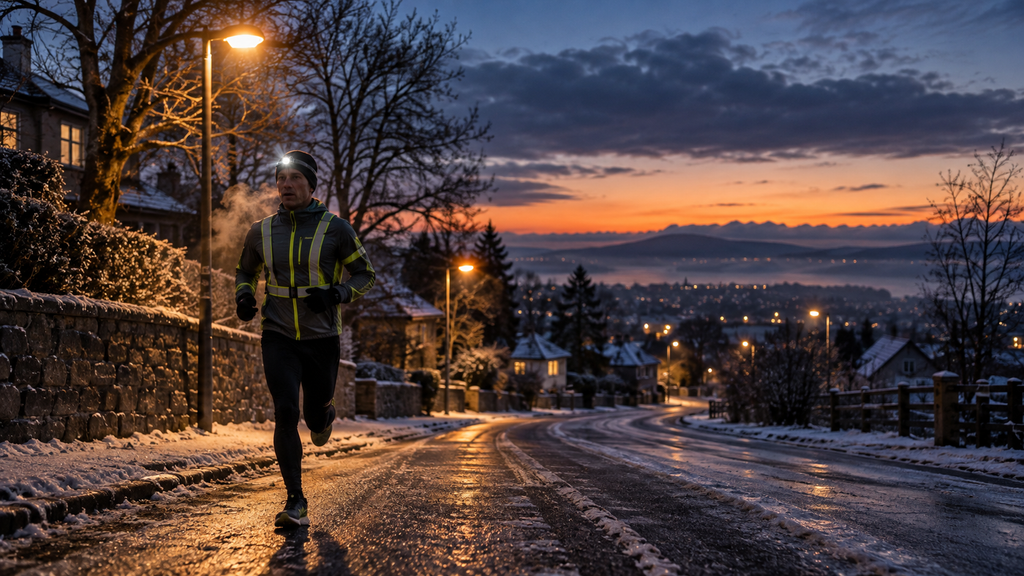
As the days get shorter and the temperature drops, the hardest part of training often isn’t the workout itself — it’s getting out the door. For athletes building their winter training base, December brings a specific set of challenges: low visibility, icy footing, biting wind, and a motivation tank that seems to empty faster than it does in July. The good news is that with the right gear, a few safety habits, and a mindset shift, winter training can become one of the most rewarding blocks of your year.
Why Winter Training Matters
This is base-building season. The consistent, unglamorous hours you log now — often in the dark, often in the cold — are what your race-day performance is built on come spring. Skipping sessions because of the weather doesn’t just cost you fitness; it breaks the habit loop that keeps you consistent all year. Treating winter training as seriously as you treat race week pays off later.
Gear: Dress for Visibility First, Warmth Second
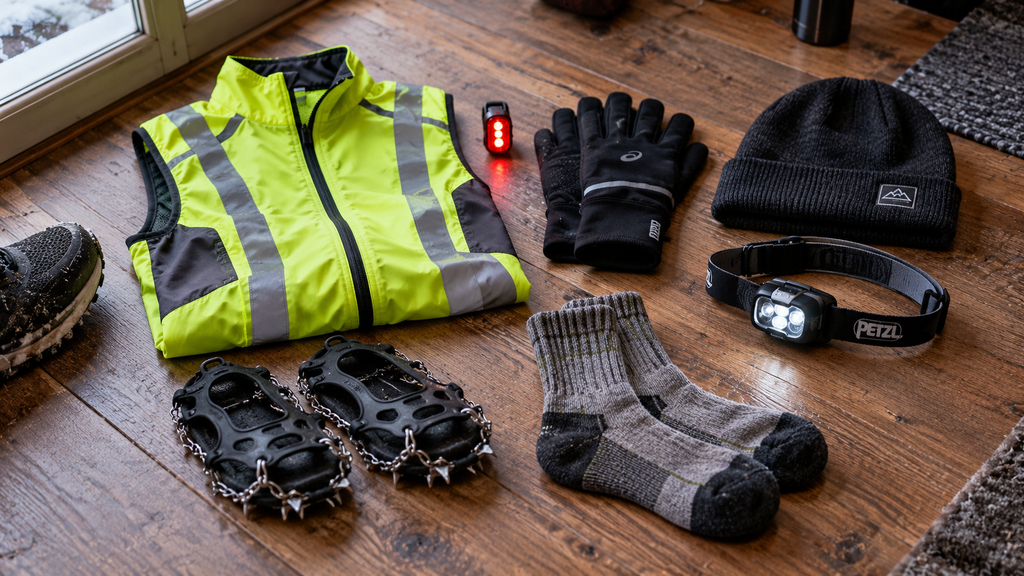
Cold isn’t usually what gets athletes hurt in winter — cars and falls are. Prioritize your gear in this order:
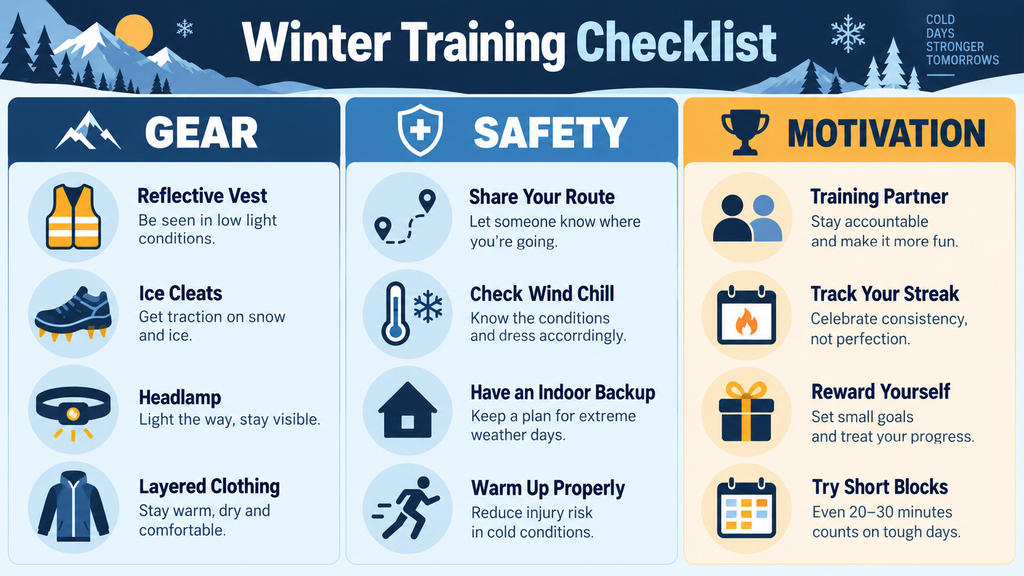
- Reflective and lit outerwear. A reflective vest or jacket plus a clip-on blinking light (front and back) makes you visible to drivers from much farther away than reflective piping alone.
- Layering system, not one heavy coat. A moisture-wicking base layer, an insulating mid-layer, and a wind/water-resistant shell lets you regulate temperature as you warm up, rather than overheating 10 minutes in.
Traction. - Ice cleats or spikes that slip over your shoes are inexpensive insurance against a fall-related injury that could sideline your whole winter.
- Extremity protection. Hands, ears, and feet lose heat fastest. Wool or synthetic-blend socks, a beanie that covers the ears, and gloves rated for the actual temperature (not just “cold”) make a bigger comfort difference than any other single item.
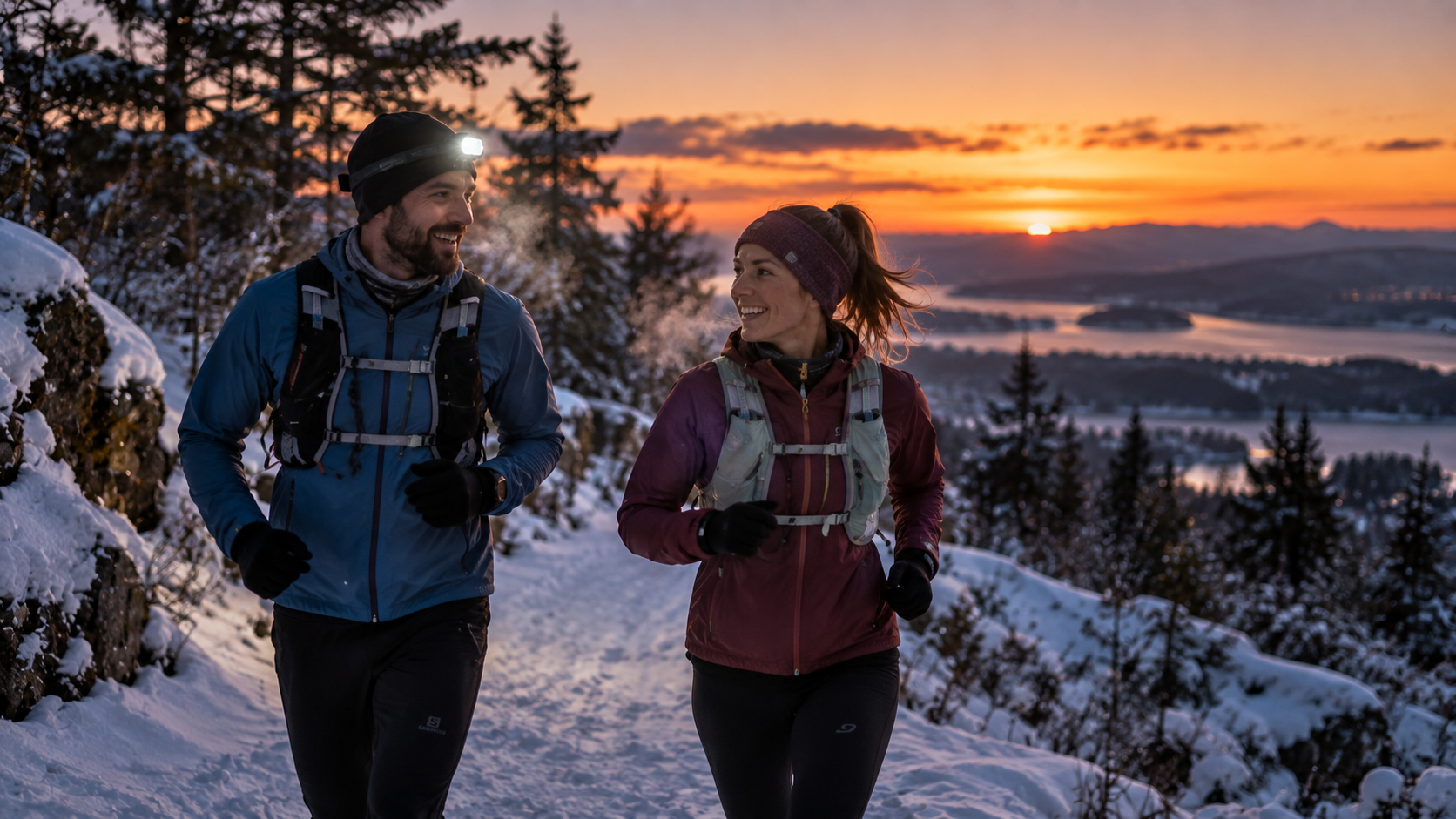
- Headlamp or chest light. For genuinely dark routes, a headlamp lets you see terrain changes, not just be seen.
Safety: Small Habits, Big Difference
- Tell someone your route and expected return time, especially for solo sessions before sunrise or after sunset.
- Face traffic when running or riding on roads without a shoulder or bike lane.
- Warm up indoors for 5–10 minutes before heading out in freezing temperatures — cold muscles and tendons are more injury-prone.
- Check the wind chill, not just the temperature. Wind chill is what actually determines frostbite risk and how many layers you need.
- Have an indoor backup plan (treadmill, trainer, gym) for the days when ice or extreme cold make outdoor training genuinely unsafe — not just uncomfortable.
Cold-weather and low-light training safety comes down to a handful of consistent habits.
Motivation: Making It Through the Grind
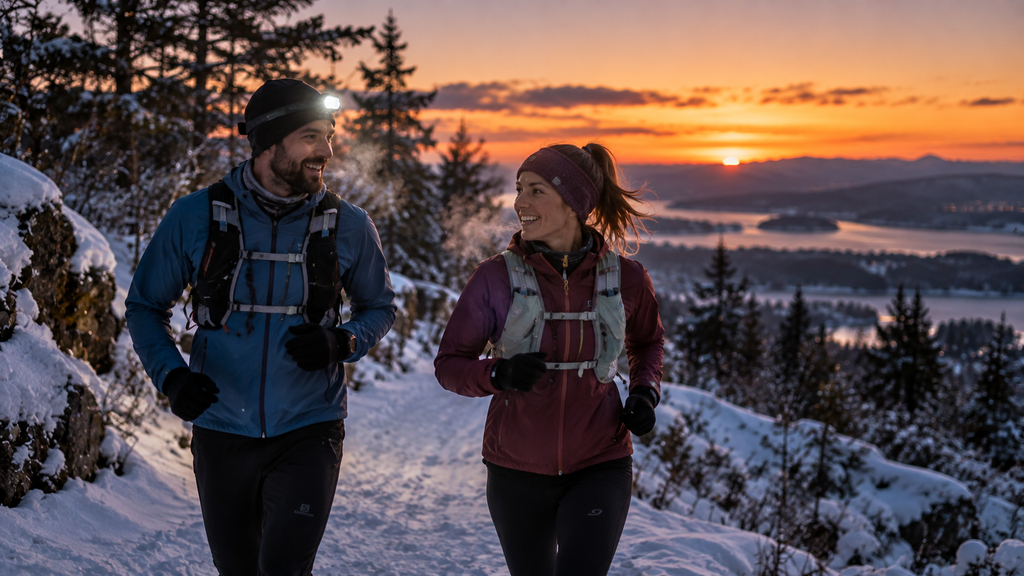
Gear and safety solve the practical problems. Motivation solves the mental ones, and it deserves just as much planning:
- Anchor sessions to a non-negotiable time, like right after waking up, so willpower doesn’t have to fight the cold all day.
- Train with a partner or group for the darkest, coldest sessions specifically — accountability matters more in December than in June.
- Reward the process, not just outcomes: a favorite post-run coffee, a hot shower ritual, or tracking a “days trained through winter” streak.
- Reframe discomfort as training itself. Athletes who train through genuinely hard conditions build a mental toughness that shows up on race day when conditions turn bad.
- Break winter into shorter blocks (2–3 week chunks) rather than staring down four months of cold — it’s easier to stay motivated for a sprint than a marathon.
The Bottom Line
Training in the dark and cold isn’t just about surviving winter — it’s about using it. The athletes who show up consistently through December, dressed right and staying safe, are the ones with the aerobic base and mental resilience to peak when it counts. Gear yourself for visibility and warmth, build in a few non-negotiable safety habits, and treat motivation as a system you design rather than a feeling you wait for.